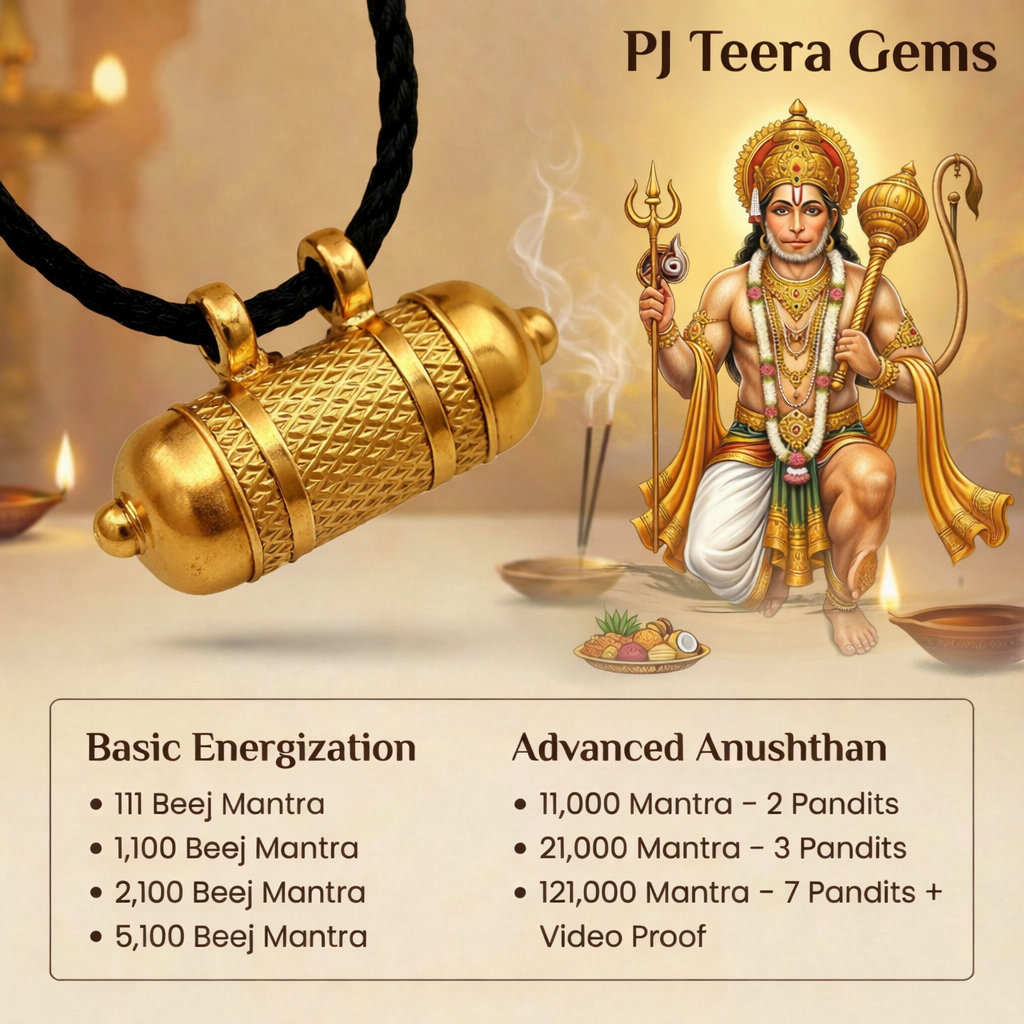
Hanuman Kavach vs Durga Raksha Kavach: Which Path Should You Begin With?
Choosing between Hanuman and Durga is rarely about “which is stronger.” It is about which form of grace your heart already leans toward—and which reminder you will wear with daily reverence. This comparison helps you begin with clarity, then finish purchase with Beej Mantra selected in peace.
Start with Hanuman Kavach · Explore Durga Raksha Kavach
Two beloved paths of protection—not rivals
In living Hindu devotion, Hanuman and Durga are not competitors on a power chart. Both are approached for courage and protection; both ask for sincerity. Families may keep both murtis on one altar without conflict. A blog comparison exists only to help a first-time buyer begin—not to rank deities.
If fear-based marketing ever told you that one path “beats” the other, set that aside. Choose relationship, not rivalry.
Hanuman Kavach: strength, courage, steadfast devotion
Hanuman’s grace is often felt as steadfast service, fearlessness in duty, and a mind that returns to the Divine Name. A Hanuman Kavach suits devotees who already recite Chalisa, who think of Hanuman in travel or challenge, or who want a masculine-coded (in traditional imagery) yet deeply humble reminder of strength.
Read more in our explainer: Hanuman Kavach — what it is and how to wear.
Durga Raksha Kavach: Shakti, shielding, righteous fearlessness
Durga’s grace is often felt as protective Shakti—the Mother who faces what frightens us and restores dharmic courage. A Durga Raksha Kavach suits devotees drawn to Navratri, to Devi worship, or to a shielding remembrance in the home.
For seasonal home practice context, see Navratri protection at home.
Simple chooser questions (faith, family altar, life season)
Ask yourself:
- When I am afraid, whose Name rises first—Hanuman or Durga (or Devi more broadly)?
- What already lives on our altar or in our family songs?
- Is this season calling me toward seva-strength (Hanuman) or toward Shakti-shielding (Durga)—or simply toward the form I already love?
- Will I actually wear and respect this piece daily?
If Hanuman’s Name is already your companion, start there. If Navratri and Maa’s presence fill your home, Durga Raksha is a natural beginning. If both feel equal, either start with Hanuman as a widely loved first pendant, or choose the form your elders taught you—then stay consistent.
Related broader reading (optional): negative energy and Nazar Dosh. Return to the product pages for purchase decisions; this chooser is not an astrology diagnosis.
Craft notes: what you will see on each product page
On each product page you will find photos, materials description, and Beej Mantra options. Hanuman Kavach is presented as a Vedic protection amulet pendant; Durga Raksha Kavach as a pure silver divine protection amulet. Trust the live pages for exact visuals and current offering details—do not rely on memory of a blog.
Compare only what you can see and afford in peace. Material descriptions should stay faithful to each listing; this article will not invent superiority claims.
Beej Mantra is required on both—plan for that step
Both products require Beej Mantra selection before Proceed to buy. Guest checkout works on both once the selection is made. See each product page for Beej Mantra options and current pricing. For a dedicated checkout walkthrough, read How to choose Beej Mantra for your kavach.
Can households keep both? (devotional answer, no pressure sell)
Yes—many households keep more than one sacred reminder. You might wear Hanuman daily and keep Durga near the altar during Navratri, or the reverse. There is no obligation to buy both. Begin with one, live with it respectfully, and add another only if devotion—not marketing—asks for it.
Avoid collecting kavachs as trophies. One well-respected piece outweighs a drawer of neglected ones.
Life seasons that often lean one way or the other
Some seasons lean Hanuman: a demanding job, travel, a vow of discipline, recovery of courage after setbacks, or a household that already sings Chalisa. Some seasons lean Durga: Navratri, a wish to strengthen the home’s protective mood, Devi upasana already underway, or a devotee who relates to the Divine primarily as Mother.
None of these seasons forbid the other path. They are only gentle signals. If your life season is loud with fear, do not let fear pick the product—let love pick it. Fear says “buy everything now.” Love says “begin with one sincere companion.”
Gifting without pressure
Parents sometimes gift a kavach to a child leaving for studies; spouses gift during festival season. If you gift, explain the meaning briefly and include the note that Beej Mantra was selected as part of preparation. Do not gift from superstition that blames the recipient if life remains hard. A gift of devotion should free, not burden.
When buying as a gift, still complete Beej Mantra selection on the product page before Proceed to buy. Guest checkout works for gifters who prefer not to create an account.
What this comparison deliberately avoids
This article avoids medical claims, legal promises, enemy-destruction language, and invented prices. It avoids astrology dosha diagnosis. It avoids declaring one deity superior. If you need chart-based advice, that is a separate consult path—not the job of a chooser blog.
Practical checklist before you open checkout
- I know which Name I will remember daily.
- I have looked at the product photos on the live page.
- I understand Beej Mantra must be selected before Proceed to buy.
- I know Guest checkout works; Sign In is optional.
- I will not invent medical or miracle expectations.
- I can afford the option I select without household harm.
- I will wear or keep the kavach with respect.
If every line is honest, you are ready. If not, wait or ask via Grantha.
Stories households tell (without turning them into guarantees)
Elders sometimes say, “We kept Hanuman near when someone traveled,” or “We lit Maa’s lamp when the house felt unsettled.” Those stories are cultural memory, not clinical evidence. Listen with respect; do not convert them into promises you then demand from a product. The kavach supports remembrance; your conduct carries the vow.
If you already own one and wonder about the other
Owning a Hanuman Kavach does not forbid exploring Durga later, or the reverse. Give your first piece at least a season of sincere use before adding another—unless festival gifting or family tradition clearly asks for both. Breadth without depth becomes clutter.
Cross-links for deeper reading once you choose: Hanuman explainer, Navratri / Durga home guide, and Beej Mantra checkout guide on this blog.
Side-by-side summary (devotional, not competitive)
Hanuman Kavach — Strength, seva, Chalisa culture, steadfast courage. Often chosen when Hanuman is already beloved or when a first protection pendant should feel widely familiar across many Hindu homes.
Durga Raksha Kavach — Shakti, shielding, Navratri and Devi culture, righteous fearlessness. Often chosen when the home already leans Motherward or when the season of nine nights is near.
Shared — Both require Beej Mantra selection; both support Guest checkout afterward; both are spiritual-devotional offerings, not medical devices; both deserve clean handling and honest expectation.
Use this summary as a mirror, then click only one primary CTA to begin.
A note for readers coming from ads or search
If an ad brought you here comparing the two, slow down before buying. Read one product page fully. Select Beej Mantra consciously. The goal is a peaceful order, not a cart race. Organic searchers reading this as research: bookmark both, pray, then return.
When you have chosen, stay with that choice long enough for remembrance to form. Switching weekly between deities because of restlessness rarely deepens faith. Stability is part of protection.
Soft Grantha note if the choice feels heavy
If the decision still feels heavy, a short orientation via Grantha may help. Soft consult support is optional. Many devotees decide from the questions above and the product photos alone.
Your next click
Begin where the heart bows. Default primary path for many first-time buyers:
If Maa Durga is clearly calling:
Select Beej Mantra, then Proceed to buy with a quiet mind. Optional: Grantha.